You have probably seen the numbers: "10x leverage," "100x leverage," "liquidation." Leverage is one of the most powerful — and most dangerous — tools in crypto trading. It can multiply your profits, but it can also wipe out your entire position in minutes.
In this beginner's guide, we explain what leverage trading is, how it works, and the rules you need to survive it.
What Is Leverage?
Leverage allows you to control a larger position than the capital you actually have. It works by borrowing funds from the exchange to amplify your trade size.
Example: with $1,000 and 10x leverage, you can open a $10,000 position. If the market moves 5% in your favor, you earn 5% of $10,000 — $500 — which is a 50% return on your original $1,000.
But the same math works against you. A 5% move in the wrong direction loses $500 — half your capital gone in one move.
How Leverage Works in Practice
Let's walk through a long trade on Bitcoin with 10x leverage:
- Capital (margin): $1,000
- Leverage: 10x
- Position size: $10,000
- BTC entry price: $50,000
If BTC rises to $55,000 (a 10% gain), your position is worth $11,000 — a $1,000 profit, which is a 100% return on your margin.
If BTC falls to $45,000 (a 10% drop), your position loses $1,000 — your entire margin is gone.
Liquidation: The Price You Must Never Hit
When your losses approach the size of your margin, the exchange will forcibly close your position. This is called liquidation, and the price at which it happens is your liquidation price.
At 10x leverage, an adverse move of roughly 10% liquidates you. At 50x leverage, just a 2% move can liquidate you. The higher the leverage, the smaller the margin for error.
When you are liquidated, you lose your margin — the exchange keeps it to cover the loss on the borrowed funds.
Long vs Short with Leverage
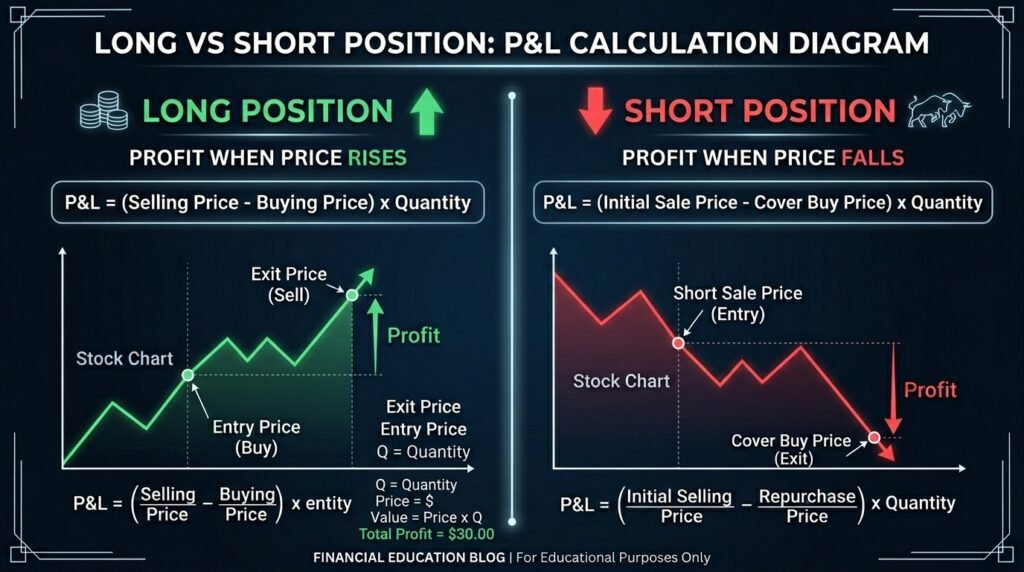
- Long (buy) — you profit if the price rises.
- Short (sell) — you profit if the price falls.
Leverage works the same way in both directions. It simply magnifies whatever outcome occurs.
The Risks of Leverage Trading
- Total loss of margin — liquidation can happen in seconds during volatility.
- Emotional trading — amplified losses trigger panic decisions.
- Funding fees — perpetual futures charge funding every few hours, which can erode profits over time.
- Overconfidence — a few wins at high leverage can create false confidence that leads to a single catastrophic loss.
How to Use Leverage Safely
- Start with low leverage — 2x–5x is plenty for most traders.
- Always set a stop loss — decide your exit before you enter.
- Risk 1–2% per trade — never risk more than you can afford to lose on a single position.
- Use isolated margin — limit losses to the margin assigned to that trade, protecting the rest of your account.
- Practice with a demo account — learn the mechanics without real money.
Leverage vs Margin: What's the Difference?
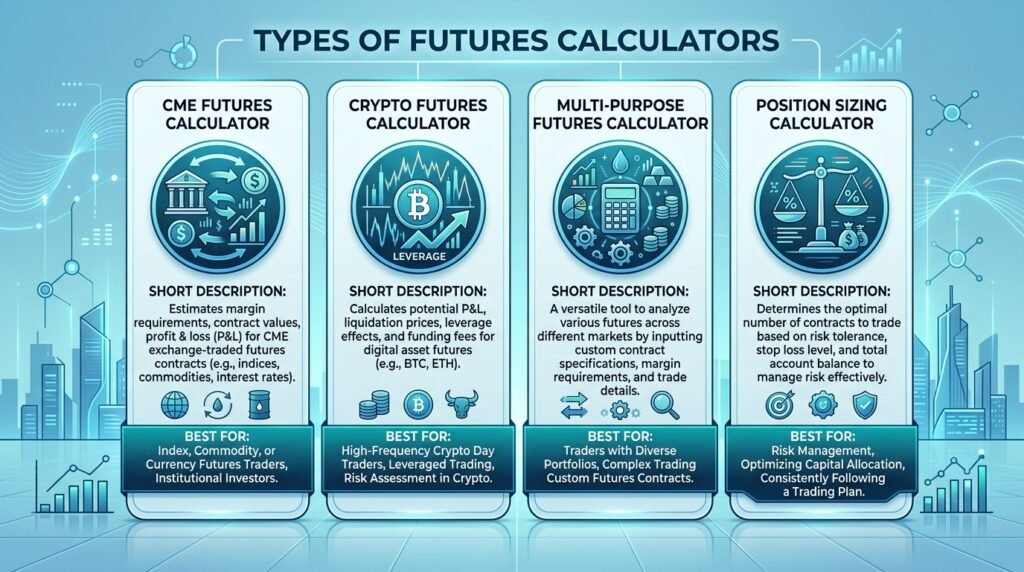
The two terms are related but distinct. Margin is the collateral you put up to open a leveraged position. Leverage is the multiplier that determines the total position size. In other words, margin is the "down payment," and leverage is how many times that down payment is multiplied.
Frequently Asked Questions
What is the best leverage for beginners?+
Most experienced traders recommend 2x–5x for beginners. High leverage dramatically increases liquidation risk.
Can I lose more than my margin?+
With isolated margin, your loss is capped at your margin. With cross margin, losses can spread to your entire account balance.
Is leverage trading gambling?+
At high leverage with no risk management, it can resemble gambling. With discipline, position sizing, and stop losses, it is a legitimate trading tool.
Conclusion
Leverage is a double-edged sword. Used carefully, it can boost returns on well-planned trades. Used recklessly, it can destroy an account faster than almost anything else in finance. The key is respect: understand liquidation, keep leverage low, and never risk money you cannot afford to lose.