
NFT flipping — buying digital collectibles low and selling them high — made headlines during the last bull market, with some flips generating thousands of percent in profit. It can still be profitable in 2026, but the game has changed: the easy money is gone, and only well-researched, disciplined flippers consistently win.
This guide covers how NFT flipping works, how to find undervalued NFTs, and the risks that can wipe out a careless flipper.
What Is NFT Flipping?
Flipping is the practice of buying an NFT and reselling it quickly for a higher price. Unlike long-term collecting, flippers care less about the art and more about timing, liquidity, and market sentiment. Successful flips depend on buying before demand spikes and selling into strength.
How to Research an NFT Before You Buy
- Check the project's team and roadmap — anonymous teams are higher risk.
- Analyze volume and liquidity — collections with high daily volume are easier to exit.
- Study floor price trends — is the floor rising steadily, or is it dead?
- Look at holder distribution — a small number of whales controlling supply is risky.
- Evaluate rarity — rare traits often command a premium.
Finding Undervalued NFTs
- Track new mints — minting at launch price can offer the best entry if the project is strong.
- Watch social signals — Twitter/X and Discord activity often precede price moves.
- Use rarity tools — find underpriced rare items within a collection.
- Monitor whitelist opportunities — whitelist spots often grant discounted mint prices.
- Follow smart money — track wallets with a strong flipping track record.
When to Sell: Exit Strategy Matters
Most flippers lose because they hold too long. Here are practical exit rules:
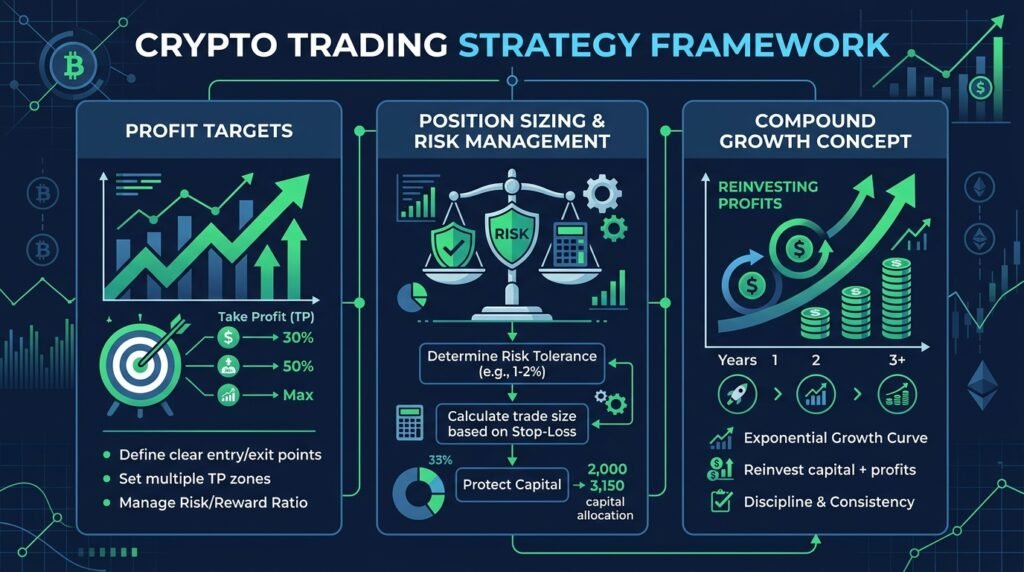
- Set a profit target — sell when you hit your goal rather than waiting for more.
- Sell into strength — high volume and rising prices are the best time to exit.
- Cut losers quickly — if a collection is dying, take the loss and move on.
- Don't fall in love — you are flipping, not collecting.
The Real Costs of Flipping
| Cost | Typical Range |
|---|---|
| Marketplace fee | 2–2.5% of sale price |
| Creator royalty | 2.5–10% of sale price |
| Gas fees | Varies (much lower on L2s) |
These fees add up fast. A 5% total fee means you need more than a 5% price gain just to break even. Always factor costs into your flip math.
The Biggest Risks
- Illiquidity — if no one is buying, you cannot sell at any price.
- Rug pulls — teams can abandon projects after selling out.
- Wash trading — inflated volume can mislead you about real demand.
- Regulatory uncertainty — some NFTs may be treated as securities.
- Market cycles — NFT prices are extremely cyclical and sentiment-driven.
Frequently Asked Questions
Can you still make money flipping NFTs?+
Yes, but it is much harder than in the last cycle. Profits now come from research, timing, and discipline rather than blind speculation.
How much do I need to start?+
You can start small, but low-priced NFTs are also the riskiest. Many flippers begin with a few hundred dollars and scale up as they learn.
What is a floor price?+
The floor price is the lowest listed price of any NFT in a collection — a key indicator of the collection's current value.
Conclusion
NFT flipping can be profitable, but it is a skill, not a lottery. Research deeply, plan your exit before you buy, and always account for fees. In a market as fast-moving as NFTs, discipline — not hype — is what separates consistent flippers from bag holders.