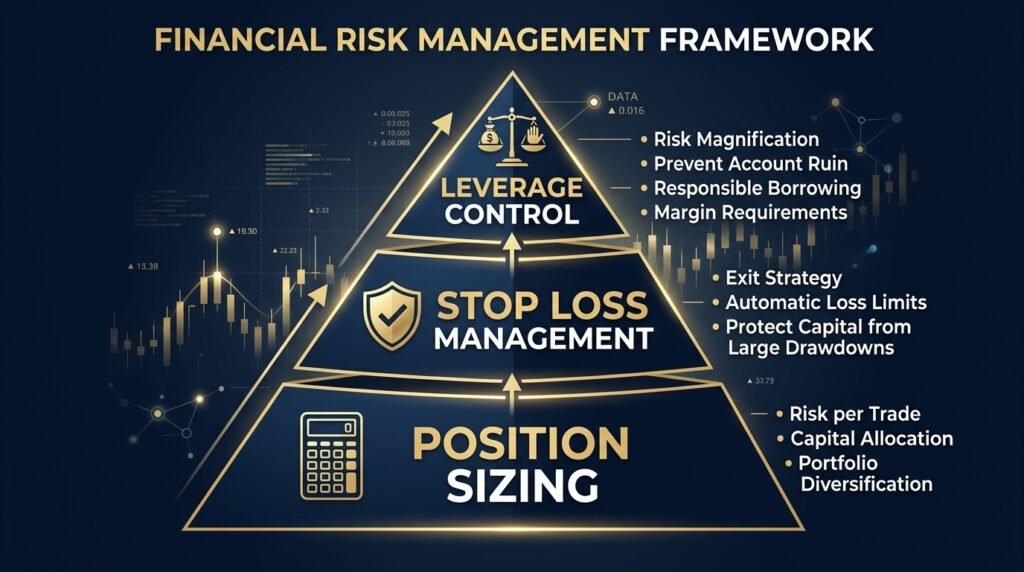
Margin trading lets you borrow funds from an exchange to open positions larger than your own balance. It is the mechanism behind leverage trading — and understanding it is essential before you touch a futures or margin account.
In this guide, we explain how margin works, the difference between isolated and cross margin, and how to manage the risks that catch beginners off guard.
What Is Margin Trading?
Margin is the collateral you deposit to open a leveraged trade. When you trade on margin, the exchange lends you additional funds, using your deposit as security. This lets you control a larger position and potentially earn bigger profits — or bigger losses.
Example: you deposit $1,000 as margin and open a $5,000 position at 5x leverage. The exchange effectively lends you $4,000.
Isolated Margin vs Cross Margin
This is one of the most important decisions you will make on any trading platform.
- Isolated margin — only the margin you allocate to a specific position is at risk. If that position is liquidated, your other funds are safe.
- Cross margin — your entire account balance acts as collateral. A losing trade can drain funds from your whole account, but cross margin also gives positions more "breathing room" before liquidation.
For most beginners, isolated margin is the safer choice because it caps the damage from any single trade.
Margin Calls and Liquidation
As your position moves against you, your equity shrinks. When it falls below a certain threshold — the maintenance margin — the exchange issues a margin call, asking you to add funds. If you cannot, and the price continues to move against you, the exchange liquidates your position to protect the borrowed funds.
Liquidation means you lose your margin. It can happen quickly in volatile markets, which is why margin trading demands active risk management.
The Rewards of Margin Trading
- Amplified profits — a small price move can produce outsized returns on your capital.
- Capital efficiency — use the same capital across multiple positions.
- Ability to short — profit from falling prices, not just rising ones.
- Hedging — offset risk in your spot portfolio.
The Risks You Must Respect
- Liquidation — you can lose your entire margin.
- Interest and funding costs — borrowed funds are not free; fees accrue over time.
- Volatility — crypto can gap violently, sometimes skipping your stop loss.
- Emotional strain — amplified swings are harder to handle psychologically.
Margin Trading Best Practices
- Use isolated margin to limit risk per trade.
- Keep leverage modest — 2x–5x for most strategies.
- Always set a stop loss before entering.
- Never use money you cannot afford to lose.
- Monitor funding and interest costs on long-held positions.
Margin Trading vs Futures Trading
Margin trading and futures trading both involve leverage, but they differ. Margin trading usually involves borrowing the actual asset on the spot market, while futures trading uses derivative contracts (like perpetual swaps) that track the asset's price. Futures often offer higher leverage and include funding rates, while margin trading typically involves interest on borrowed funds.
Frequently Asked Questions
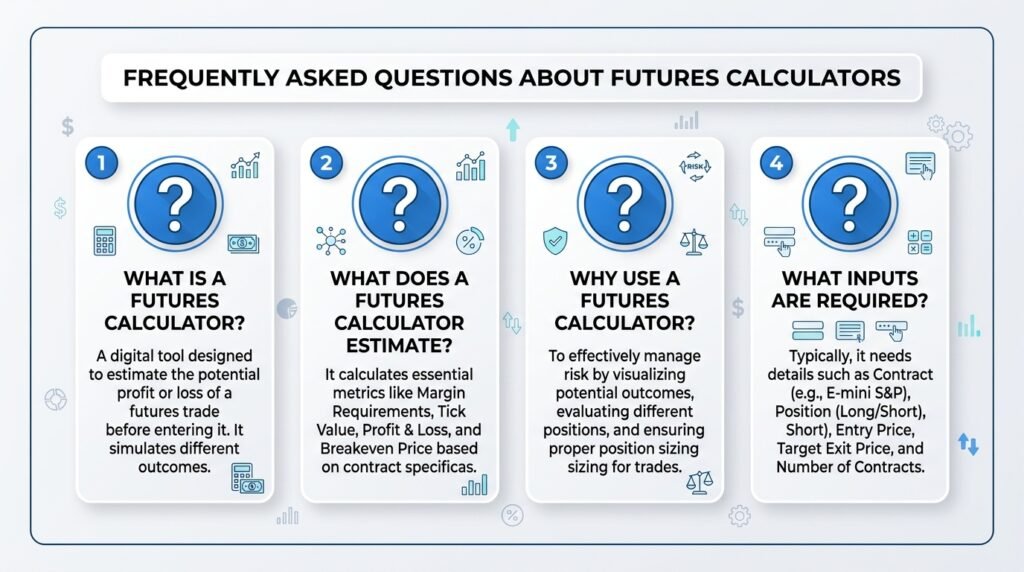
How much margin do I need to trade?+
It depends on the leverage. At 10x leverage, you need 10% of the position value as margin. At 5x, you need 20%.
What happens if I get a margin call?+
You are asked to add collateral. If you do not, the exchange may liquidate your position to cover the borrowed funds.
Is isolated margin always safer?+
For limiting losses, yes — it caps your downside to the margin on that position. Cross margin can delay liquidation but risks your entire balance.
Conclusion
Margin trading is a powerful tool, but it is not a beginner's game. If you decide to use it, start with low leverage, isolated margin, and a strict stop-loss discipline. The traders who last in this market are not the ones who take the biggest risks — they are the ones who manage them best.