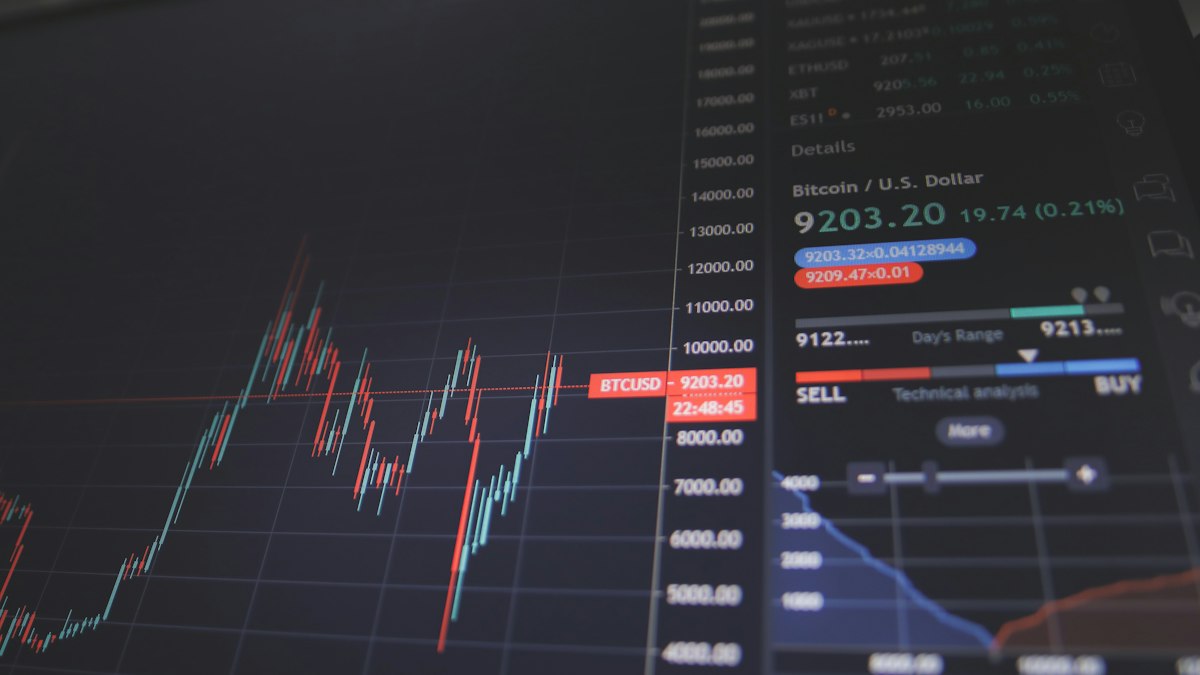
When you first open a crypto exchange, you will see two very different ways to trade: spot and futures. Spot is the straightforward version — buy a coin, own it, sell it later. Futures is the high-octane version, where you trade contracts with leverage and can profit whether prices rise or fall.
Both have a place, but they suit very different people. In this guide, we break down the key differences so you can choose the right approach for your goals and experience level.
What Is Spot Trading?
Spot trading is buying or selling a cryptocurrency at the current market price for immediate settlement. When you buy one Bitcoin on the spot market, you actually own that Bitcoin and can hold it in your wallet or send it elsewhere.
Spot trading is the foundation of crypto. It is simple, transparent, and carries no leverage by default — your downside is capped at what you paid.
What Are Futures Contracts?
A futures contract is an agreement to buy or sell an asset at a set price on a future date. In crypto, however, most "futures" are perpetual contracts with no expiry date. They track the price of the underlying asset without you ever owning it.
Futures let you go long (bet the price rises) or short (bet the price falls), and they support leverage, meaning you can control a large position with a small amount of margin.
Key Differences at a Glance
| Feature | Spot Trading | Futures Trading |
|---|---|---|
| Ownership | You own the actual asset | You hold a contract, not the asset |
| Leverage | None by default | Up to 100x or more |
| Profit direction | Only when price rises | Long or short (both directions) |
| Settlement | Immediate | Perpetual, with funding payments |
| Risk of loss | Capped at amount invested | Can lose margin via liquidation |
Leverage and Margin
The defining feature of futures is leverage. With 10x leverage, a $100 margin controls a $1,000 position. If the market moves 10% in your favor, you double your money — but a 10% move against you wipes out your entire margin.
Spot trading has no leverage, so a 10% drop simply means your asset is worth 10% less. You are never forcibly liquidated, and you can wait for the price to recover.
Long and Short Positions
- Spot long — buy an asset and profit if its price rises.
- Futures long — profit from a rising price using a leveraged contract.
- Futures short — profit from a falling price without owning the asset.
Shorting is the biggest functional advantage of futures. In a bear market, spot traders can only wait, while futures traders can actively profit from the decline.
Funding Rates and Fees
Perpetual futures use a mechanism called a funding rate to keep the contract price anchored to the spot price. When more traders are long than short, longs pay shorts a small periodic fee, and vice versa. Over time, these funding payments can quietly erode your profits, especially on leveraged positions.
Spot trading, by contrast, involves only a simple buy-and-sell fee — no funding, no liquidation, no margin interest.
Which Is Right for You?
- Choose spot if you are a beginner, a long-term holder, or want to actually own your crypto.
- Choose spot if you prefer lower risk and no forced liquidation.
- Consider futures if you are experienced, understand leverage, and want to short or hedge.
- Consider futures if you have strict risk management and can handle fast losses.
Risks of Each Approach
- Spot risk — the asset can lose value, and recovery is never guaranteed.
- Futures liquidation — a leveraged position can be forcibly closed, losing your margin.
- Funding erosion — long-held futures positions bleed funding fees.
- Overtrading — leverage encourages more frequent, riskier trades.
- Emotional decisions — amplified losses lead to revenge trading.
Frequently Asked Questions
Can beginners trade futures?
It is possible, but not recommended. Most experienced traders suggest mastering spot trading and risk management before touching leverage.
Do I own Bitcoin when I trade BTC futures?
No. You hold a contract that tracks the price. To own actual Bitcoin, buy it on the spot market and withdraw it to a wallet.
Can I lose more than I put into futures?
With isolated margin, your loss is capped at the margin for that position. With cross margin, losses can spread to your full account balance.
Conclusion
Spot trading and futures trading serve different purposes. Spot is for ownership, long-term holding and lower risk; futures is for shorting, hedging and leveraged speculation. There is no single right answer — the right choice depends on your experience, goals and risk tolerance. If you are new, start with spot, learn the market, and only explore futures once you truly understand what leverage can do to a position.